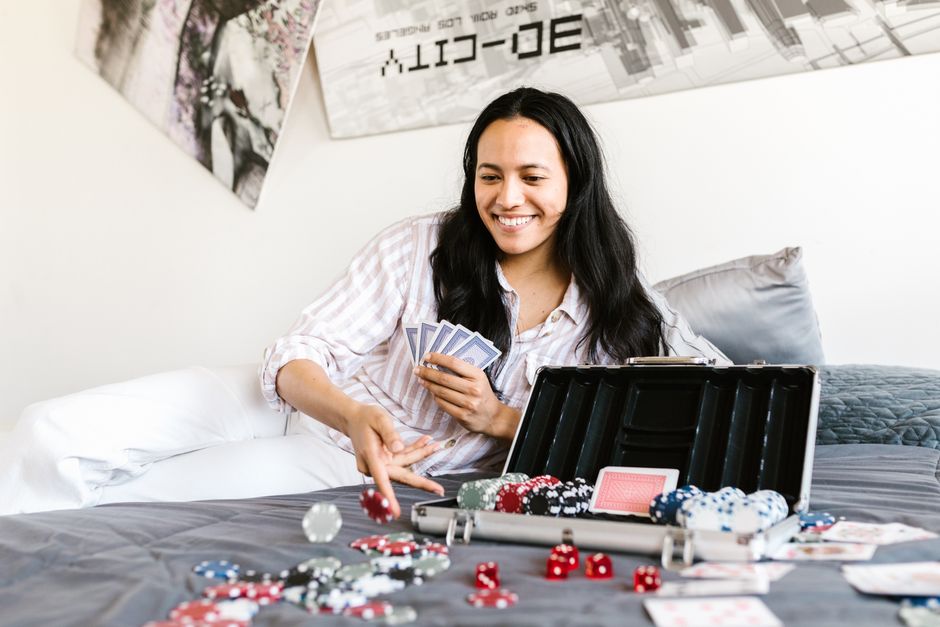
Every gambler has heard the cliché: the house always wins. It's true in the long run, and yet millions of people log into online casinos, poker rooms, and sportsbooks every single day — many of them fully aware of the math. That contradiction isn't stupidity. It's the entire engine of the iGaming industry, and understanding it is the difference between a fun hobby and a slow bleed.
Whether you're spinning slots at 2 a.m., grinding micro-stakes poker, or betting a Sunday accumulator, the same handful of principles govern your outcome. Let's break them down like an adult, not like a banner ad.
Every game you play has a built-in tax. It's called the house edge, and it varies wildly depending on what you're doing.
The takeaway isn't "avoid slots." It's that a 5% edge versus a 0.5% edge is a tenfold difference in expected loss over a thousand bets. If you're going to play regularly, choosing the game is the single biggest decision you make — bigger than any hot streak or gut feeling.
Nobody plays slots for the RTP. They play for the possibility of a life-changing hit, and modern slot design is engineered around that fantasy. The key concept most players ignore is volatility, which describes how a machine pays out.
A low-volatility slot like Starburst dribbles out frequent small wins. You'll play for an hour and lose maybe 15% of your bankroll — pleasant, forgettable. A high-volatility monster like Money Train 3 or San Quentin xWays might eat 300 spins without a single meaningful payout, then dump 800x your stake in one bonus round.
Neither is "better." They just demand different bankrolls. If you sit down at a high-volatility slot with 50 spins' worth of cash, you're not gambling — you're donating. A reasonable rule of thumb: bring at least 200 to 300 bets' worth of stake for high-volatility play, and never chase a bonus round that "feels due." Slots have no memory. The reels don't know you've been losing.
Poker is the only game in the casino where you're not playing against the house. You're playing against other humans, and the house just takes a rake. That distinction changes everything. Readers looking for specifics may like สล็อต.
Skilled poker players can genuinely be profitable long-term. Unskilled ones lose faster than at almost any other game because they're facing opponents who are actively exploiting their mistakes. The rake — usually 5% capped at a few dollars — means you need to beat the field by more than that margin just to break even.
A few concrete truths that separate winners from the rest:
If you're not tracking results — properly, in a spreadsheet — you don't actually know if you're winning. Feelings lie. Numbers don't.
Here's an uncomfortable fact: plenty of sharp bettors know less about football than your average superfan. They win because of process, not passion.
Line shopping is the simplest edge available. The same bet might be -110 at one book and -105 at another. Over hundreds of bets, that five-cent difference is the gap between profit and loss. Anyone serious about betting should have accounts at three or four sportsbooks for exactly this reason.
Closing line value is another marker. If you consistently bet numbers that look good compared to the final line before kickoff, you're likely making good decisions — even if individual bets lose. Variance is brutal in sports betting. A profitable bettor can easily endure a 2,000-bet sample before profits show. If that sounds unbearable, stick to entertainment-sized stakes.
iGaming is engineered by some of the smartest UX designers on the planet. Autoplay features, near-miss animations, loss-disguised-as-win sounds, and instant deposits all exist to reduce the friction between impulse and action.
This isn't a conspiracy theory. It's just product design. The same way a social media app optimizes for time-on-screen, a casino app optimizes for time-on-site. Recognising that is your first line of defence.
iGaming isn't evil, and it isn't a shortcut to wealth. It's entertainment with a negative expected value, sold by an industry that's very good at its job. The players who enjoy it most are the ones who understand the math, pick their games deliberately, manage their money like adults, and walk away when the fun stops.
You can absolutely have a great time at the tables, the slots, or the sportsbook. Just go in with your eyes open — because the house doesn't need to cheat to win. It just needs you to keep playing.